


How Mirrors Shape Light, Space and Mood
A mirror shapes how that space is experienced, quietly influencing light, perception, and the overall mood in ways that are often felt before they are noticed. When thoughtfully considered, a mirror becomes more than a functional element. It becomes part ...
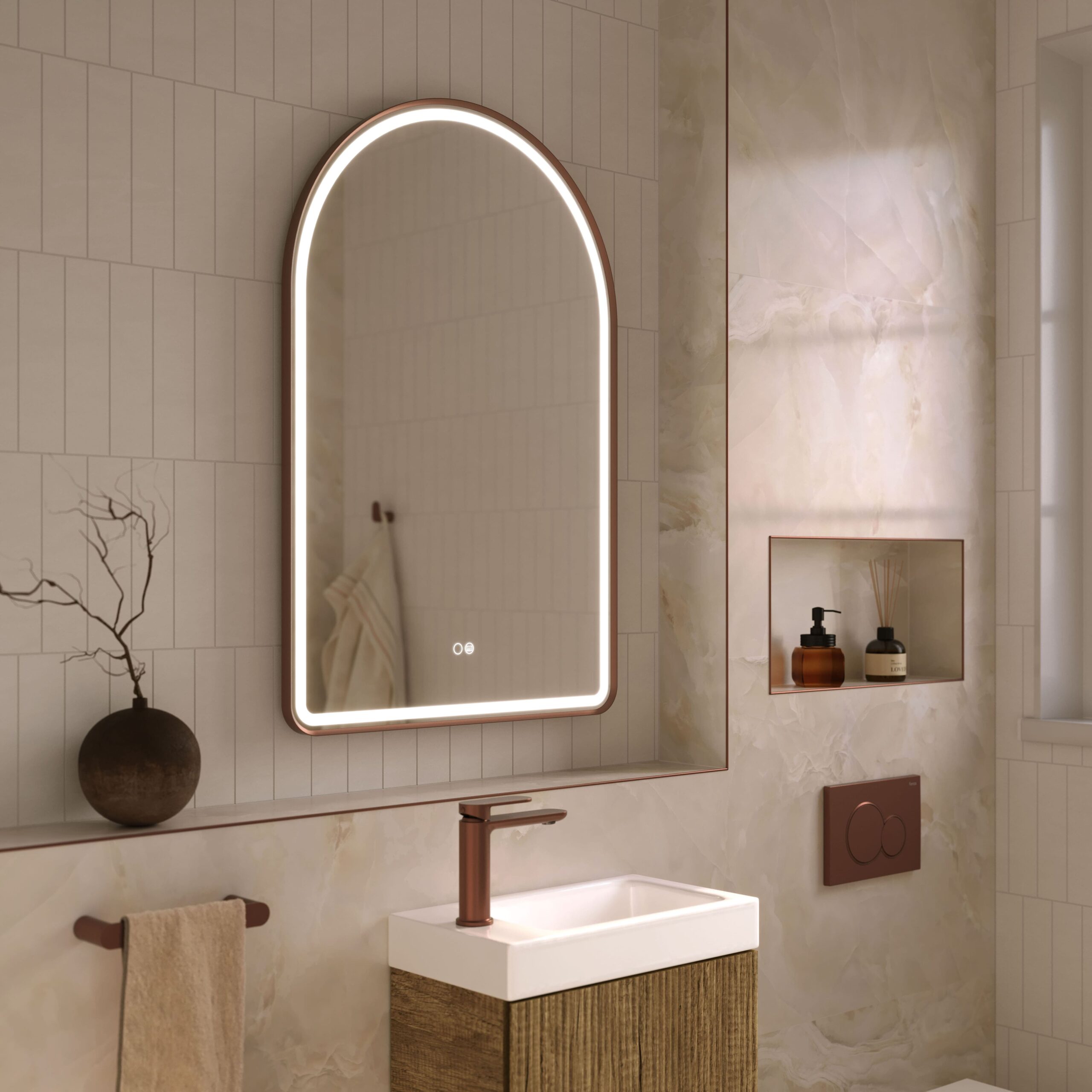
A mirror shapes how that space is experienced, quietly influencing light, perception, and the overall mood in ways that are often felt before they are noticed.
When thoughtfully considered, a mirror becomes more than a functional element. It becomes part of the architecture of the room, working with its surroundings rather than simply sitting within them.
One of its most powerful roles is in how it interacts with light. Natural light, in particular, can be extended and softened through reflection, allowing it to travel further into a space and reach areas that might otherwise feel enclosed. The effect is subtle, but it has a meaningful impact, a room feels brighter, softer, and more balanced throughout the day.
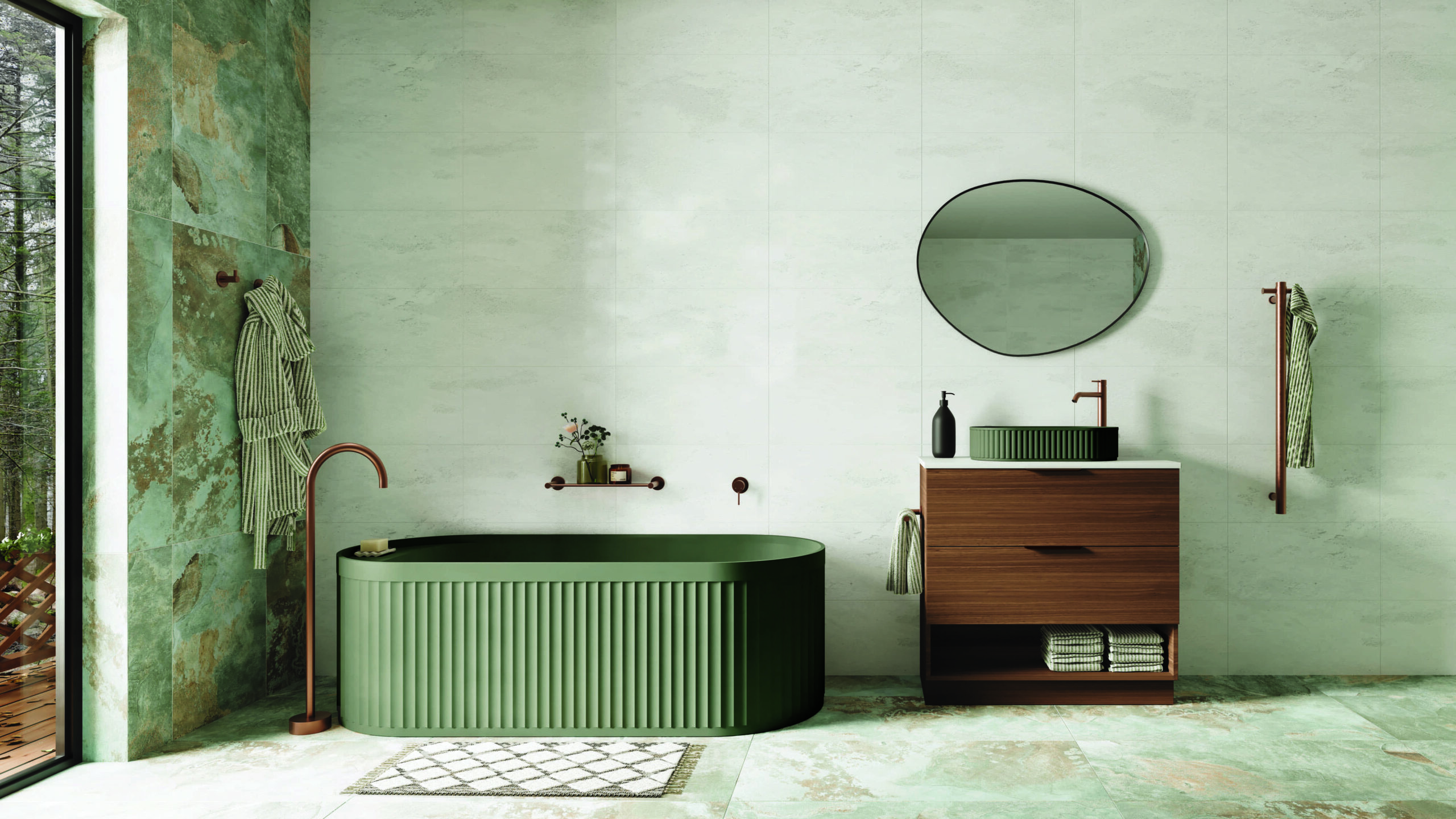
This becomes especially important in bathrooms, where light often needs to be carefully managed. A well-positioned mirror can transform what might be a purely functional space into one that feels considered and calm, enhancing both its practicality and its atmosphere.
Beyond light, mirrors also influence how we perceive space itself. Larger formats, or mirrors that span wider areas, can create a sense of openness that extends beyond the physical boundaries of the room. It’s not about creating illusion for the sake of it, but about reducing visual limitations and allowing the space to feel more expansive and connected.
The finer details also play a role. The choice between framed and frameless designs, the introduction of soft curves or clean, defined edges; these decisions shape how a mirror integrates into its environment. In more contemporary settings, there is often a move towards simplicity, where restraint allows the mirror to enhance the space without overwhelming it.
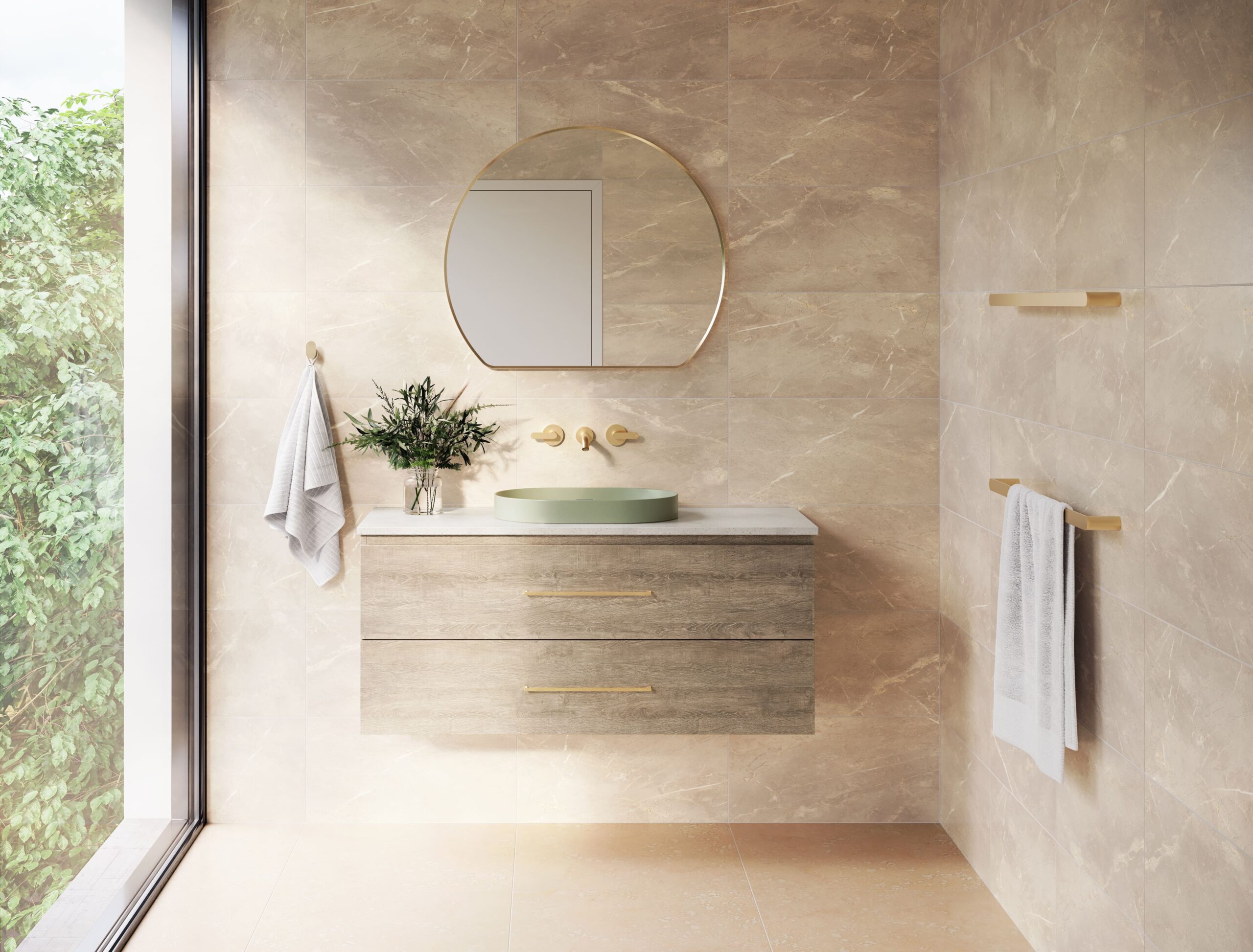
At the same time, mirrors are among the most frequently used elements in a home. They are part of daily routines, from the quiet moments of a morning start to the end of a long day. Because of this, their design should feel intuitive and enduring, offering both clarity in function and consistency in quality.
Perhaps what makes mirrors so impactful is their ability to reinforce what is already there. They don’t compete with a space; they amplify it. They bring forward light, extend lines, and create a sense of depth that no other element quite achieves in the same way.
Latest articles
Some elements define a space immediately, while others reveal their value more subtly over time. Splashbacks tend to fall into the latter category. Rarely the centrepiece, yet often essential to how a space comes together, they sit at the intersection ...
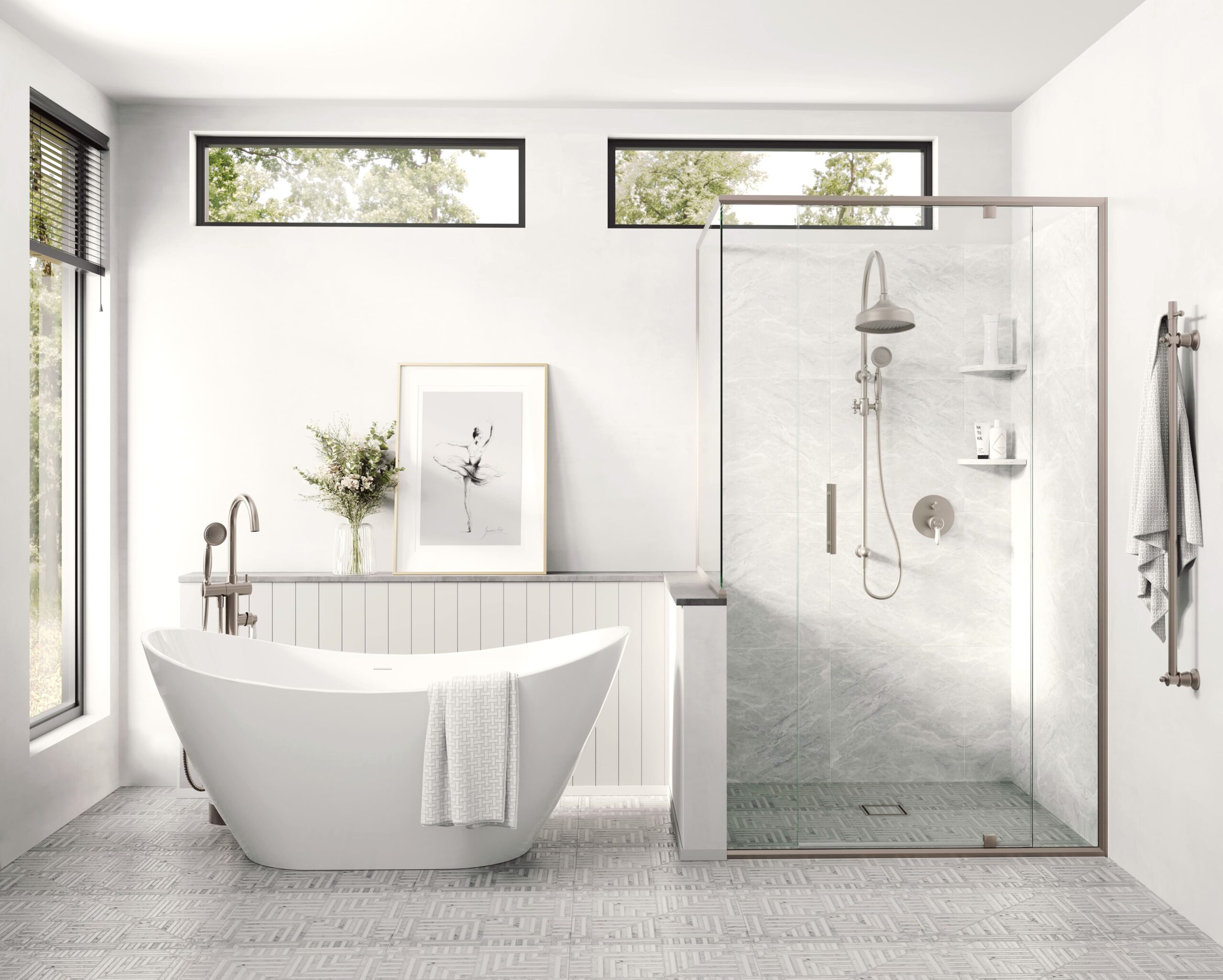
In a well-designed bathroom, nothing should feel intrusive. The space should flow naturally, allowing materials, light, and layout to work together without interruption. One of the key elements in achieving this, though often underestimated, is the shower screen. Where older ...
Sign up to hear about our latest news, blog posts, updates and more!


