


Why Splashbacks Are the Unsung Hero of Modern Design
Some elements define a space immediately, while others reveal their value more subtly over time. Splashbacks tend to fall into the latter category. Rarely the centrepiece, yet often essential to how a space comes together, they sit at the intersection ...
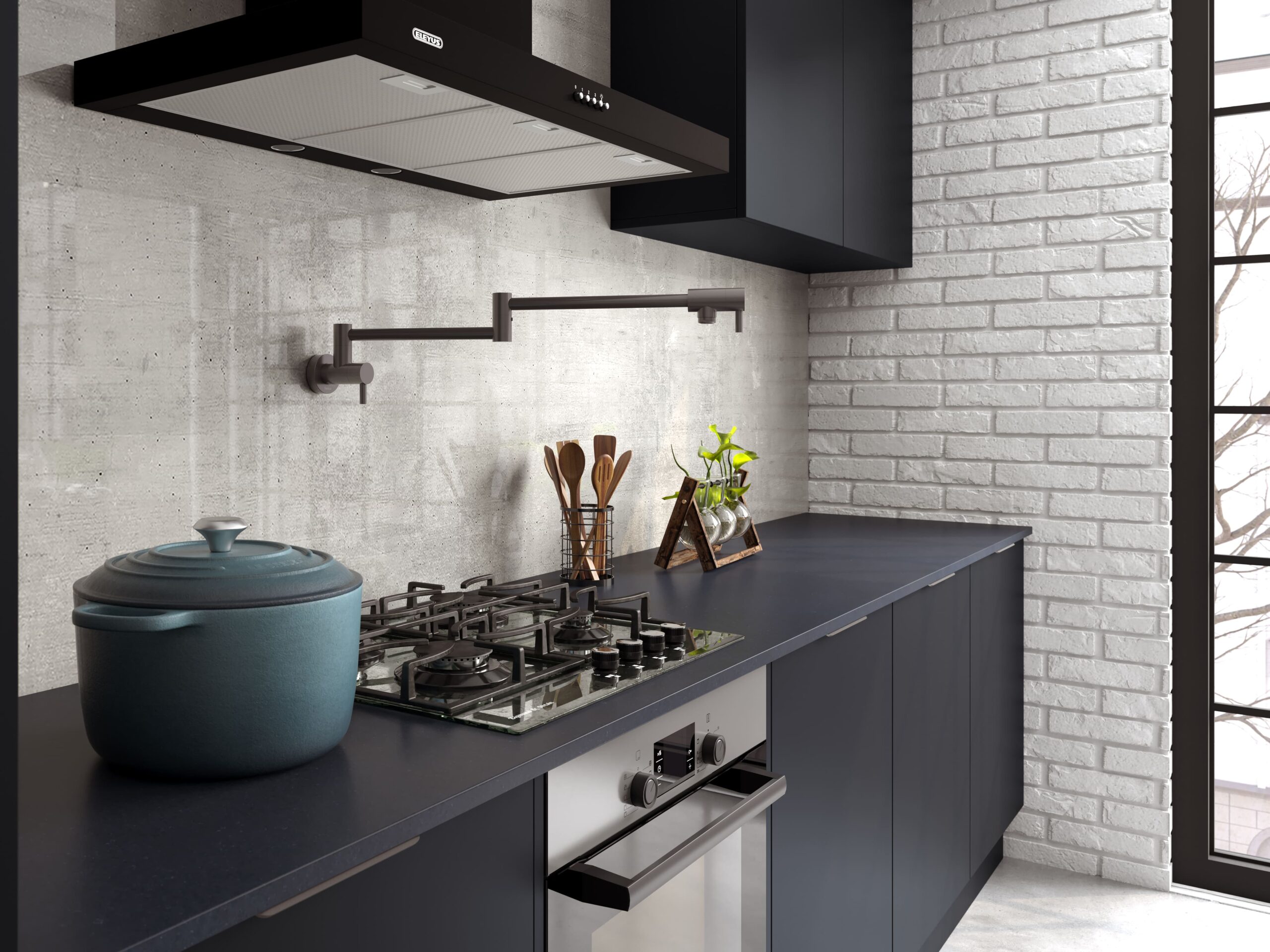
Some elements define a space immediately, while others reveal their value more subtly over time.
Splashbacks tend to fall into the latter category. Rarely the centrepiece, yet often essential to how a space comes together, they sit at the intersection of practicality and design in a way that feels almost understated.
Traditionally, splashbacks have been viewed purely as a functional layer, something that protects surfaces and makes cleaning easier. While that remains true, their role in contemporary interiors has evolved. They now offer an opportunity to introduce texture, depth, and reflection in a way that enhances the overall space without overwhelming it.
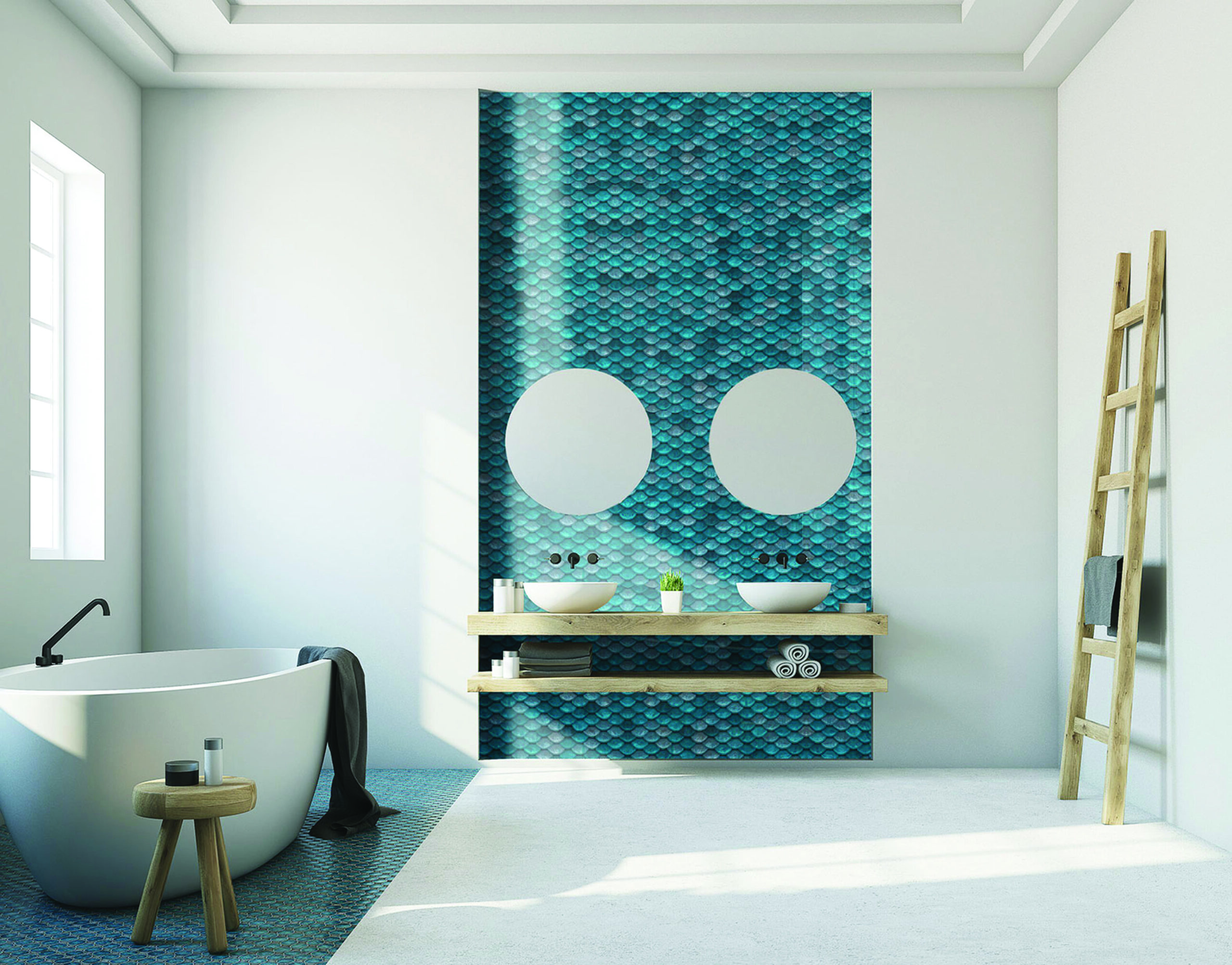
What sets a well-designed splashback apart is its ability to feel integrated rather than applied. Clean, uninterrupted surfaces create a sense of continuity, allowing the eye to move naturally across the space. This is particularly effective in bathrooms and laundries, where simplicity often leads to a more refined and calming environment.
There is also a subtle interaction with light that shouldn’t be underestimated. Depending on the material and finish, a splashback can reflect natural light, soften shadows, and add a quiet luminosity to the room. It’s not a dramatic transformation, but rather a gradual enhancement that becomes more noticeable the longer you spend in the space.
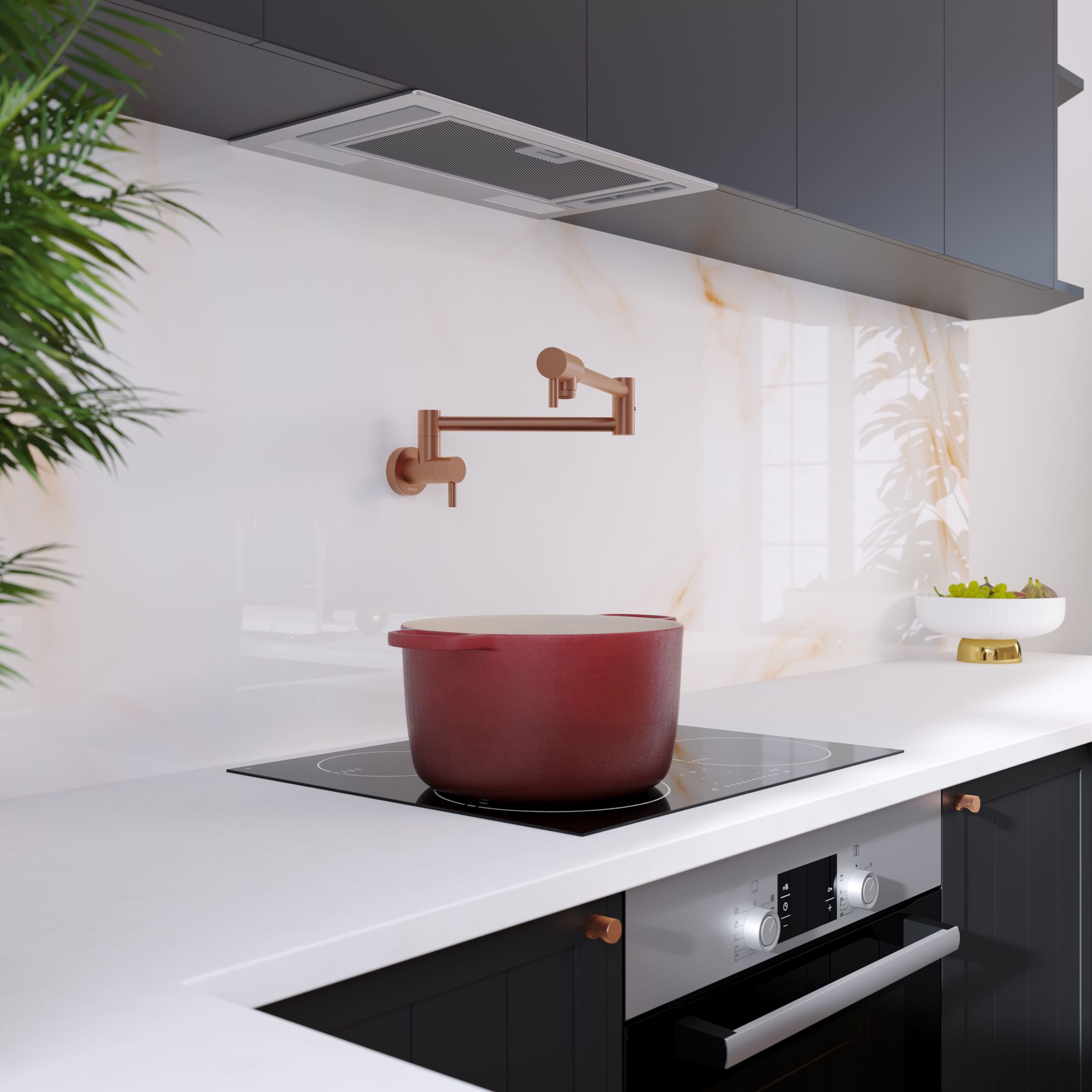
Equally important is the balance between durability and design. In high-use areas, materials need to perform, but that doesn’t mean they should compromise on aesthetics. The best outcomes are those where function and form feel seamlessly aligned, where a surface is just as practical as it is visually resolved.
A splashback may not be the first element you notice when you walk into a room, but it often plays a significant role in why the space feels cohesive. It’s one of those decisions that, when done well, simply makes everything else work better.
Latest articles
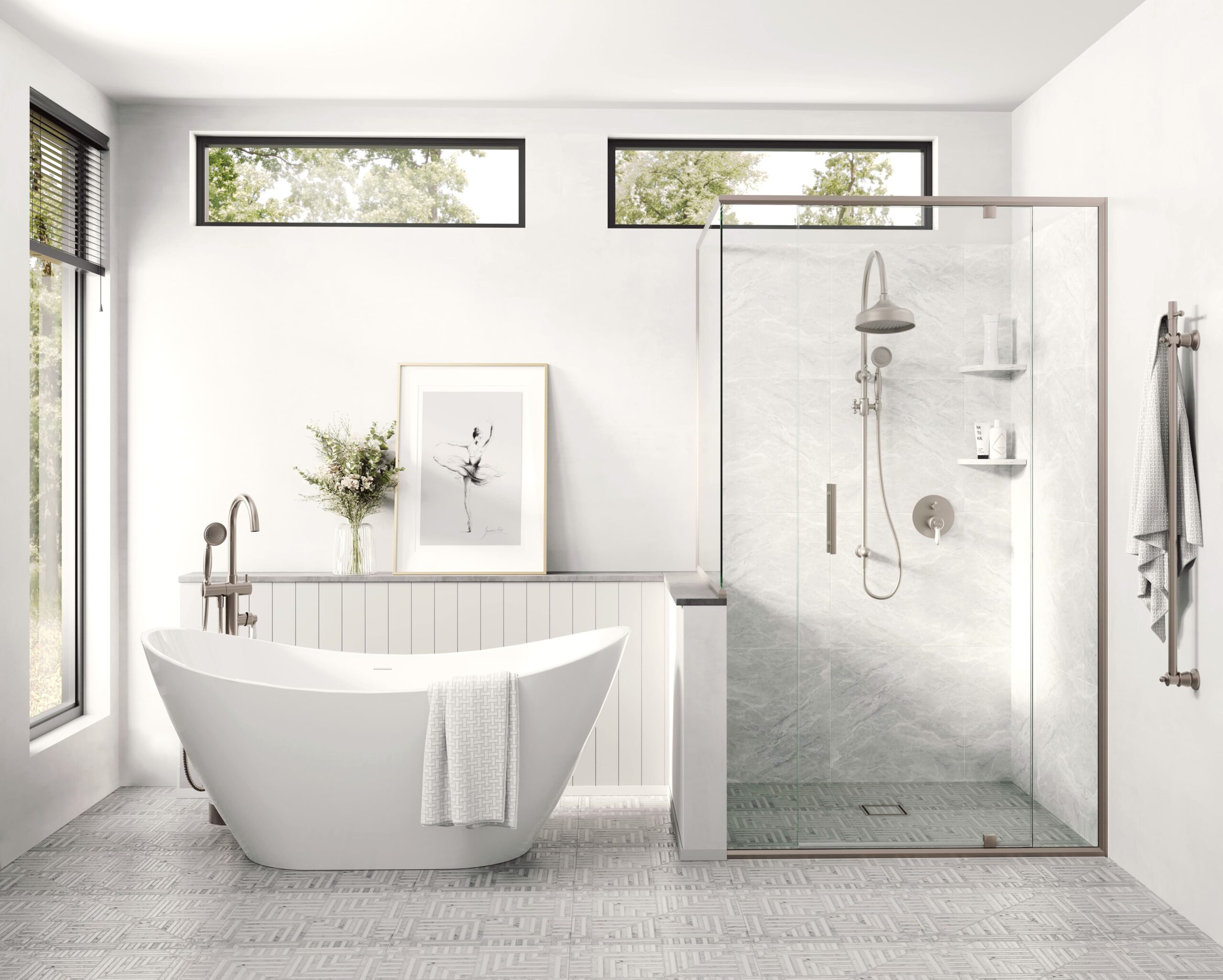
In a well-designed bathroom, nothing should feel intrusive. The space should flow naturally, allowing materials, light, and layout to work together without interruption. One of the key elements in achieving this, though often underestimated, is the shower screen. Where older ...
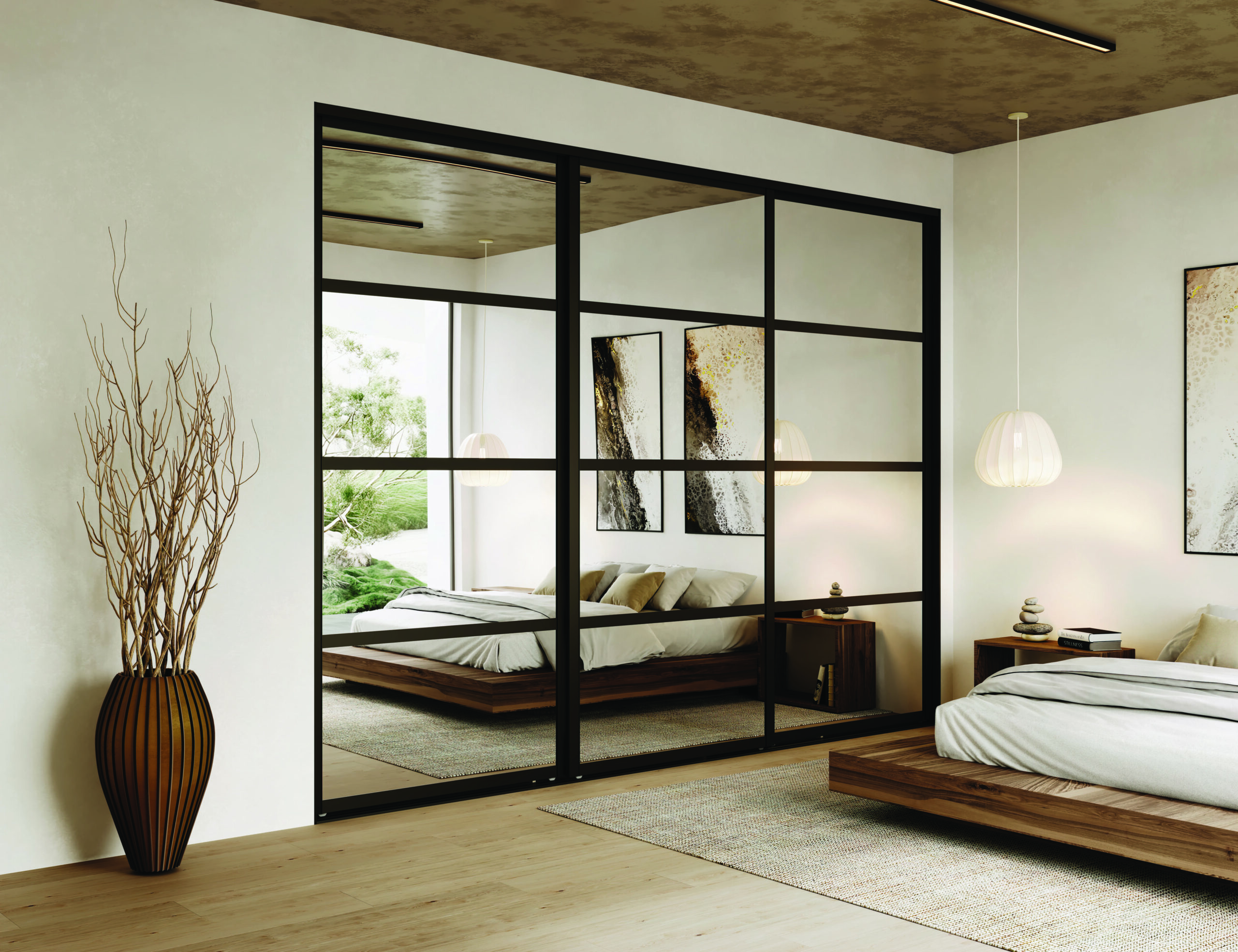
Storage is one of the most practical aspects of a home, yet it also has a significant influence on how a space feels. Wardrobe doors, in particular, occupy a large visual presence within a room. When not thoughtfully considered, they ...
Sign up to hear about our latest news, blog posts, updates and more!


